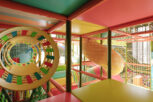










Why Safety Standards Are Essential
Indoor playgrounds are places for joy, learning, and social growth. But behind the fun, strict safety standards are what keep children protected. These regulations are designed to minimise risks, prevent accidents, and ensure that children can explore with confidence.
Standard 1: Non-Toxic and Certified Materials
All indoor playground equipment should be built from non-toxic, certified materials. BPA-free plastics, phthalate-free vinyl, and fire-resistant fabrics protect children from harmful chemicals and accidents. Certification from recognised safety authorities is essential.
Standard 2: Age-Appropriate Design
Playgrounds should be divided into zones based on age groups—toddlers, preschoolers, and older children. Each zone requires equipment tailored to children’s size, strength, and developmental stage. This prevents injuries and ensures safe play for everyone.
Standard 3: Impact-Absorbing Flooring
Falls are inevitable in play. Soft flooring—such as EVA foam mats, padded carpets, or rubberised surfaces—reduces the risk of serious injuries. Surfaces must also be non-slip to prevent accidents during active play.
Standard 4: Regular Inspection and Maintenance
Even the safest equipment becomes risky without regular checks. Indoor playground operators must schedule inspections to spot wear and tear, loose parts, or hygiene issues. Routine maintenance guarantees a consistently safe environment.
Standard 5: Emergency Preparedness and Clear Exits
Every playground must include visible emergency exits, fire safety equipment, and a clear evacuation plan. Staff should be trained to respond quickly in emergencies, ensuring children’s safety at all times.
Standard 6: Hygiene and Sanitation Protocols
Indoor play areas are shared by many children daily. Regular cleaning, antibacterial coatings, and accessible hand sanitising stations are crucial to prevent the spread of germs. Hygiene is as important as structural safety.
Conclusion
Safety standards are the backbone of indoor playground design. By adhering to certified materials, age-appropriate zones, impact-absorbing surfaces, and proper maintenance, playgrounds become secure havens for children. For parents and operators alike, safety is not optional—it is the foundation of trust and joy in every play experience.