








The demand for safe and engaging indoor play spaces has increased dramatically in recent years. From shopping centres to community hubs, indoor play areas provide families with year-round entertainment. But turning an empty space into a successful indoor playground requires planning, compliance, and the right partnership.
If you’re considering opening an indoor play area, this guide will walk you through the essential steps to help you start strong and operate safely.
What Do You Need to Open an Indoor Play Area? (Quick Answer)
To open an indoor play area, you need a suitable space, a detailed business plan, safety-certified equipment, and cooperation with a professional indoor playground manufacturer. The key steps include planning, budgeting, design, installation, and obtaining the necessary safety and operational permits.
Step-by-Step: How to Open an Indoor Play Area
1. Research and Feasibility Study
Before any investment, start by researching your target audience and location. Identify demand, local competition, and pricing expectations. A feasibility study helps you understand what type of play area—soft play, trampoline, or mixed adventure—fits best with your market.
2. Prepare a Business Plan
Outline your goals, budget, and operation strategy. Include:
Estimated costs (equipment, rent, staff, insurance)
Revenue streams (entry fees, parties, memberships, cafés)
Maintenance and staffing needs
This plan will be essential if you’re seeking investors or business partners.
3. Choose the Right Location
Your indoor play area should be accessible, visible, and safe. Ideal locations include shopping malls, community centres, or large commercial units with adequate parking. Make sure the ceiling height and ventilation meet installation requirements.
4. Partner with an Indoor Playground Manufacturer
This is where expertise truly matters. Manufacturers like NovaPlayTR handle every technical detail — from layout design to material selection, installation, and after-sales support. Working with a professional ensures:
Certified, non-toxic materials
Compliance with EN1176 and ASTM standards
Customised designs for your available space and audience
Long-term durability and maintenance support
5. Design Your Play Area
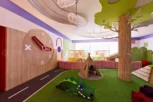
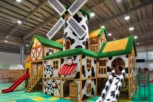
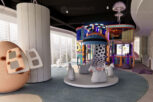
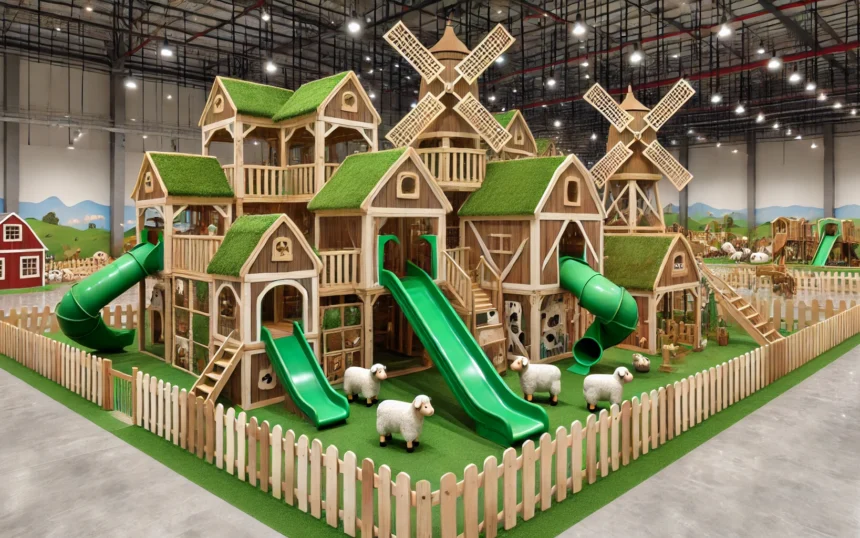
Once you’ve selected a manufacturer, collaborate on a custom layout. Consider the age group, play types (slides, tunnels, trampolines), and parent seating areas. A themed design—such as jungle, ocean, or city—creates a memorable atmosphere and encourages repeat visits.
6. Obtain Permits and Insurance
Before construction, check local regulations for indoor entertainment spaces. Secure:
Fire and safety approval
Business operation license
Public liability insurance
Child safety compliance documentation
NovaPlayTR often assists clients with the documentation required for these certifications.
7. Installation and Quality Checks
After permits are approved, the manufacturing and installation phase begins. Each structure is assembled and inspected for strength, stability, and safety compliance. Quality checks ensure everything aligns with the approved design.
8. Hire and Train Staff
Your team is crucial to your success. Train staff on equipment operation, safety monitoring, and first aid. Friendly, well-informed employees create a welcoming atmosphere that builds trust with families.
9. Market Your Play Area
Before opening, build awareness through social media, local ads, and partnerships with schools. Organise an opening event or “soft launch” to test operations and gather feedback.
10. Maintain and Update Regularly
A successful indoor play area evolves over time. Schedule regular safety inspections, refresh themes periodically, and update your facilities to keep visitors returning.
Frequently Asked Questions (FAQ)
1. How much does it cost to open an indoor play area?
Costs vary depending on size, design, and materials. On average, small setups start around modest budgets, while larger themed areas can require significant investment.
2. How long does the setup process take?
From planning to installation, the process takes roughly 2–4 months depending on complexity and permit approvals.
3. Do I need safety certifications?
Yes. Safety certifications such as EN1176 or ASTM are essential for legal operation and customer confidence. Partnering with certified manufacturers ensures compliance.
4. What age groups should I design for?
Most indoor play areas cater to children aged 3–12, but including a toddler zone and parent rest area broadens your audience.
5. Can I customise my playground design?
Absolutely. With NovaPlayTR, every project is tailored—from colours and themes to equipment mix—to match your business vision.
Conclusion
Opening an indoor play area is an exciting and rewarding venture, but it requires planning, professionalism, and a focus on safety. Partnering with an experienced manufacturer ensures that your space is not only fun but also compliant, durable, and trusted by families.
At NovaPlayTR, we guide you through every stage — from concept and design to installation and after-sales support — turning your vision into a safe and inspiring play environment.
Because every successful indoor play area begins with the right foundation: thoughtful planning and expert craftsmanship.