








Beyond Fun: The Educational Role of Playgrounds
Indoor playgrounds are often seen as places of fun, but they are also powerful tools for early childhood development. The activities offered in these spaces help shape both the brain and body, supporting children’s growth in ways that traditional education cannot achieve alone.
Cognitive Development Through Play
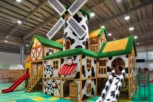
Play stimulates the brain. Activities such as puzzle zones, building blocks, and interactive games encourage children to solve problems, plan their moves, and use logic. Role-play areas like mini kitchens or adventure corners spark imagination and creativity, helping children practice decision-making in a safe environment.
Motor Skill Development in Action
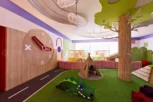
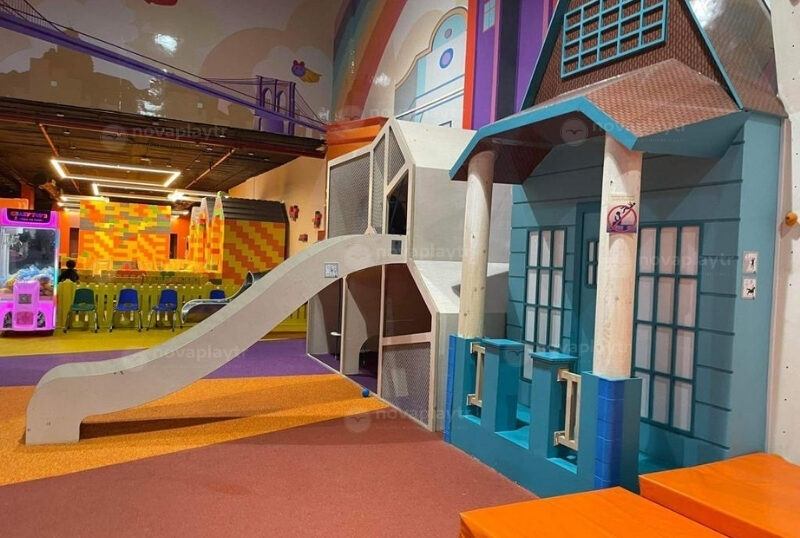
Physical activity inside indoor playgrounds directly supports motor development. Climbing walls, slides, ball pits, and trampolines challenge children’s balance, strength, and coordination. Fine motor skills improve when children handle smaller objects, such as Lego pieces or interactive panels, while gross motor skills strengthen through running, jumping, and crawling.
Social and Emotional Growth
Cognitive and motor benefits are enhanced by social interaction. Playing with peers teaches children to share, negotiate, and cooperate. These interactions strengthen emotional regulation and communication skills, which are essential for lifelong learning and social success.
Indoor Playgrounds as Part of Early Education
Modern education experts agree that active play should complement classroom learning. Indoor playgrounds provide the hands-on experiences children need to connect theory with practice. By engaging their bodies and minds, children build the foundation for stronger academic performance and healthier development.
Conclusion
Indoor play areas are more than entertainment—they are spaces where cognitive and motor skills take shape. By encouraging creativity, problem-solving, and physical activity, indoor playgrounds play a vital role in preparing children for future challenges…