








Indoor playground projects are not always built in large, open areas. In many cases, space is limited — especially in shopping malls, cafes, or urban locations. However, a smaller space does not mean a limited experience. With the right design strategy, compact areas can deliver highly engaging and functional play environments.
At NovaPlayTR, we design indoor playgrounds that maximise every square meter — without compromising safety or experience.
Why Is Efficient Design Important in Small Indoor Playgrounds? (Quick Answer)
Efficient design in small indoor playgrounds allows operators to increase capacity, improve flow, and deliver a better play experience within limited space. Smart layout planning, vertical structures, and multi-functional equipment ensure maximum usability while maintaining safety standards.
Step-by-Step: Designing an Efficient Indoor Playground in Small Spaces
1. Plan Zones Instead of Filling Space
One of the most common mistakes in small playgrounds is trying to fit too many elements. Instead, divide the space into clear zones:
- Active play area
- Transition zones (entry/exit flow)
- Parent observation areas
This creates a more organised and spacious feel, even in compact environments.
2. Use Vertical Space Effectively
When horizontal space is limited, vertical design becomes essential.
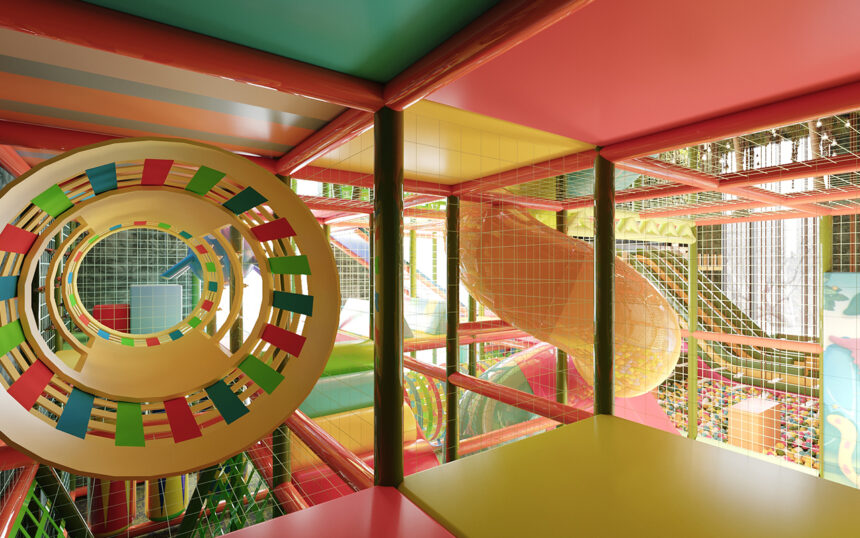
Multi-level playground systems allow:
- More activities in the same footprint
- Better movement flow
- Increased capacity without overcrowding
Climbing structures, slides, tunnels, and bridges can all be integrated into vertical layouts.
3. Choose Multi-Functional Equipment
Instead of large single-purpose elements, compact and modular systems should be prioritised.
For example:
- A single structure can combine climbing, sliding, and crawling
- Modular units can be rearranged or expanded later
This flexibility is key in small-area projects.
4. Optimise Circulation and Flow
Poor layout can make a small space feel even smaller.
Efficient playgrounds:
- Avoid dead-end areas
- Create continuous movement paths
- Prevent congestion in high-traffic zones
A well-planned flow improves both safety and user experience.
5. Prioritise Safety in Tight Spaces
In compact areas, interaction density is higher. This increases the importance of safety design.
Key considerations:
- Soft padding on all impact areas
- Rounded edges and protected corners
- Adequate spacing between elements
Safety should be integrated into the design — not added later.
6. Use Colours and Lighting Strategically
Design choices directly affect how large a space feels.
To create a more open perception:
- Use light and neutral colour palettes
- Avoid overly complex visual elements
- Apply balanced lighting to eliminate dark zones
A clean visual design makes small areas feel more spacious and inviting.
7. Design with Maintenance in Mind
Smaller spaces often experience higher usage intensity.
Efficient design should include:
- Easy-to-clean surfaces
- Modular and removable components
- Durable materials resistant to wear
At NovaPlayTR, we integrate maintenance-friendly systems into every design, ensuring long-term usability.
Conclusion
Designing an indoor playground in a small space is not about limitation — it is about optimisation. With the right planning, even compact areas can deliver dynamic, safe, and engaging play experiences.
At NovaPlayTR, we specialise in transforming limited spaces into high-performing playground environments — combining smart design, safety, and long-term usability.