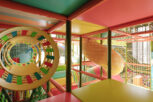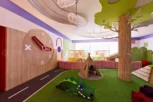









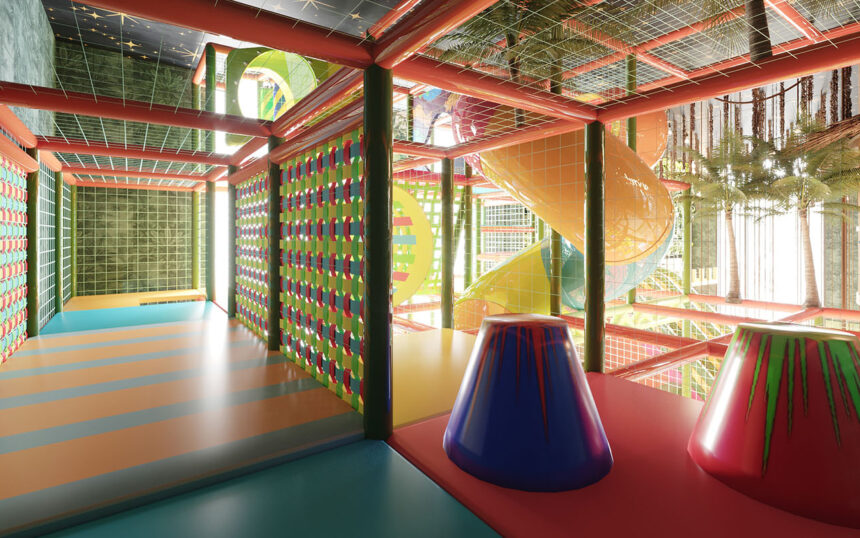
When designing an indoor playground, flooring is one of the most critical yet underestimated elements. It forms the base of every structure, determines how safe a fall will be, and affects both hygiene and durability. For operators and investors, choosing the right flooring for indoor play areas means balancing comfort, safety, and long-term maintenance.
At NovaPlayTR, we believe that every great playground starts from the ground up — literally.
Why Flooring Matters in Indoor Playgrounds (Quick Answer)
Flooring impacts both safety and play experience. The right surface minimises injuries, supports heavy use, reduces noise, and simplifies cleaning. Quality flooring also complies with international standards such as EN1177, which defines requirements for impact absorption and fall height safety in indoor and outdoor play environments.
Step-by-Step: How to Choose the Right Flooring
1. Understand Safety Standards
Safety always comes first. Before choosing a flooring material, ensure it meets EN1177 or ASTM F1292 safety certifications. These standards specify the minimum shock absorption required to protect children in case of falls.
Professional manufacturers like NovaPlayTR select materials that match both the equipment height and critical fall height (CFH) values, ensuring compliance and peace of mind.
2. Evaluate Flooring Materials
Not all floors are equal. Each material offers different advantages depending on the type of play area:
- Rubber Tiles: Excellent shock absorption, slip-resistant, and long-lasting.
- EPDM Rubber Flooring: Durable, colourful, and ideal for heavy traffic areas.
- Foam Mats: Soft, lightweight, and perfect for toddler zones.
- Vinyl Flooring: Easy to clean and water-resistant — great for snack or rest areas.
- Carpet Tiles: Provide warmth and noise reduction but require regular maintenance.
Combining materials for different zones (soft foam for toddlers, rubber for adventure areas) often delivers the best results.
3. Prioritise Shock Absorption and Fall Protection
Children will fall — it’s part of play. That’s why shock absorption is the top priority in flooring design. The right flooring thickness should align with the equipment’s height to reduce injury risk.
- Low play structures: 20–30 mm thickness
- Higher activity zones: 40–60 mm rubber or foam layers
NovaPlayTR calculates these dimensions precisely for each project to achieve the perfect balance between safety and comfort.
4. Consider Hygiene and Maintenance
Indoor playground floors face constant contact with shoes, snacks, and spills. Easy cleaning and anti-bacterial properties are essential.
- Non-porous materials prevent bacterial growth.
- Smooth finishes make sanitising faster.
- Modular tiles simplify replacement in case of damage.
Choosing the right flooring not only protects children but also saves operators time and maintenance costs.
5. Think About Noise Reduction
Rubber and foam flooring help reduce the echo and noise typical in large indoor play areas. This creates a more comfortable atmosphere for parents and staff, especially in busy shopping malls or enclosed environments.
6. Design with Aesthetics in Mind
Flooring is also a design element. Colour coordination enhances the overall theme and helps define zones visually:
- Soft pastel tones for toddler zones
- Vibrant colours for adventure areas
- Neutral shades in parent seating sections
Modern flooring solutions from NovaPlayTR are available in multiple colour and texture options that fit any concept.
7. Plan for Durability and Cost Efficiency
High-quality flooring is an investment. While cheaper materials may save money upfront, they often wear out faster, leading to higher replacement costs. Durable flooring certified for commercial playground use ensures long-term performance and better return on investment.
Frequently Asked Questions (FAQ)
1. What is the safest flooring for indoor playgrounds?
Rubber and foam flooring are the safest due to their high shock absorption and slip resistance, especially when certified under EN1177.
2. How often should playground flooring be replaced?
With proper maintenance, commercial-grade rubber flooring lasts 5–10 years. Foam mats may need earlier replacement depending on usage.
3. Can different flooring types be used in one playground?
Yes. Many operators combine materials — for example, foam in toddler areas and rubber under climbing structures — to optimise safety and aesthetics.
4. Is anti-bacterial flooring necessary?
Yes. It reduces the spread of germs and makes cleaning easier, especially in high-traffic play zones.
5. How can flooring support brand design?
Custom colours, patterns, and printed graphics can align flooring with a playground’s theme, enhancing visual identity.
Conclusion
The floor of an indoor playground is more than just a surface — it’s the foundation of safety, comfort, and hygiene. The right flooring supports active play while minimising injury risks, noise, and maintenance costs.
At NovaPlayTR, we design and install flooring systems that meet international safety standards and complement your playground’s overall design. Because a safe and successful play area always starts from the ground up.