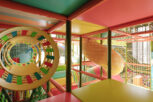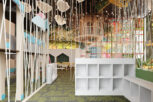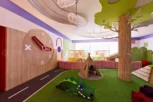









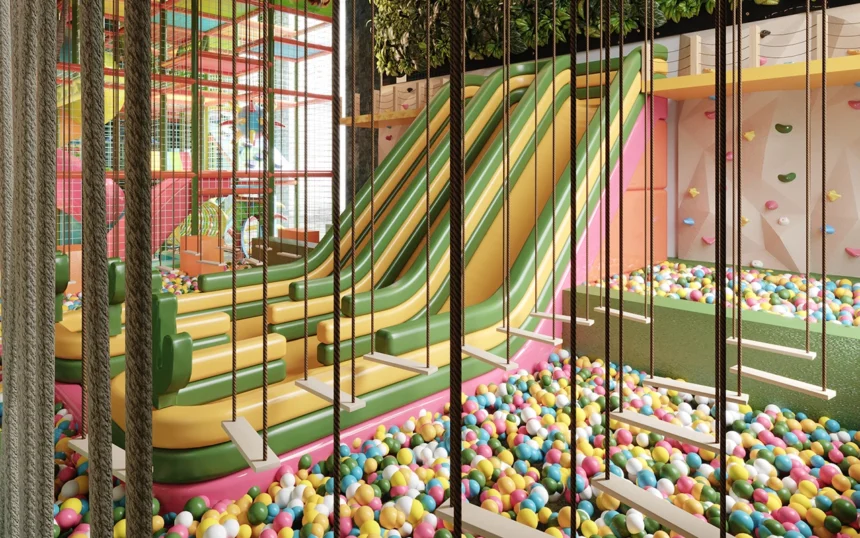
Indoor playgrounds are no longer simple spaces with slides and tunnels. Today, families expect immersive, educational, and visually engaging environments where children can learn, move, and explore safely. As demand increases, the indoor playground industry continues to evolve with new ideas, innovations, and design standards.
At NovaPlayTR, we follow global design trends closely — ensuring every project reflects modern expectations and long-lasting play value.
What Are the Latest Design Trends in Indoor Playgrounds? (Quick Answer)
Modern indoor playground design focuses on safety, creativity, sustainability, and interactive technology. Current trends include themed environments, multifunctional play zones, eco-friendly materials, inclusive design for all abilities, and digital-enhanced play experiences. These trends create visually appealing, development-friendly playgrounds that engage children for longer periods.
Step-by-Step: The Modern Design Trends Shaping Indoor Playgrounds
1. Immersive Themed Playgrounds
Themed playgrounds are one of the strongest design trends. Children connect deeply with stories, characters, and visual worlds — making themed designs both educational and memorable.
Popular themes include:
Jungle & safari
Space & futuristic worlds
Underwater & ocean
City adventures
Fantasy lands & castles
NovaPlayTR designs themed environments using custom panels, printed PVC, 3D elements, and matching colour palettes for full immersion.
2. Multi-Zone Play Layouts
Today’s playgrounds are built with multiple play zones to support various age groups and developmental needs.
Trending zones:
Toddler areas with soft, low-level structures
Adventure zones with climbing frames, slides, and tunnels
Interactive floors with lights or sensors
Quiet corners for sensory-sensitive children
Sports & energy zones, like mini-trampolines and ball games
This zoning approach makes playgrounds more organised, safer, and more inclusive.
3. Integration of Technology
Technology has become a major trend in indoor play design. Interactive features provide modern stimulation and keep children engaged for longer.
Examples include:
Interactive LED walls
Touch-responsive learning panels
Sensor-based dance floors
Augmented reality play elements
Digital scoring in sports zones
Tech-enhanced play encourages creativity, teamwork, and problem-solving.
4. Eco-Friendly & Sustainable Materials
Parents and businesses are becoming increasingly conscious of environmental responsibility. As a result, playground manufacturers now prioritise sustainable choices.
Common eco-friendly solutions:
Recyclable soft-play foam
Low-VOC, non-toxic PVC
Sustainable wood panels
Long-life steel frames
Energy-efficient lighting
Eco-friendly design is now both a trend and an industry expectation.
5. Inclusive and Accessible Play Design
One of the most meaningful design shifts is towards inclusive playgrounds that everyone can enjoy — including children with disabilities or sensory differences.
Modern indoor playgrounds often include:
Wider pathways
Low-threshold entries
Sensory panels and tactile walls
Quiet rest areas
Accessible seating for caregivers
Inclusivity ensures every child has equal access to safe and enjoyable play.
6. Open-Concept Play Areas
Open-concept designs allow parents to see their children from multiple angles, improving safety and comfort. Clean lines, transparent barriers, and strategically placed seating areas enhance visibility.
This layout design trend also supports:
Better crowd flow
A cleaner, more organised aesthetic
Improved supervision
A more calming play atmosphere
7. Bright, Modern Colour Palettes
Instead of overly saturated or chaotic colours, modern playgrounds use balanced, nature-inspired colour palettes that feel welcoming and visually calm.
Popular choices include:
Pastel tones
Earthy greens and soft browns
Ocean blues
Soft yellows and terracotta tones
These palettes help regulate energy, reduce overstimulation, and improve the overall user experience.
Frequently Asked Questions (FAQ)
1. Why are themed playgrounds so popular?
Because themes help children engage more deeply in imaginative play, creating memorable experiences and increasing repeat visits.
2. Are indoor playgrounds safe when technology is added?
Yes — when designed by certified manufacturers who follow EN1176 and ASTM safety standards. NovaPlayTR integrates technology only in child-safe, durable forms.
3. Do eco-friendly materials cost more?
Some sustainable materials are slightly more costly, but they significantly improve durability, brand image, and long-term satisfaction.
4. What age groups benefit most from modern playground designs?
Modern designs serve a wide range — toddlers to pre-teens — thanks to multi-zone layouts and inclusive features.
5. How often should modern playgrounds be updated?
Refreshing themes or adding new elements every 2–3 years keeps the environment exciting and competitive.
Conclusion
Modern indoor playground design has evolved far beyond basic structures. Today’s leading trends emphasise creativity, sustainability, safety, and meaningful engagement. By integrating themed environments, multi-zone layouts, technology, and eco-friendly materials, businesses can create play areas that attract families, encourage learning, and stand out from competitors.
At NovaPlayTR, we combine innovative design with world-class safety standards to deliver playgrounds that inspire children and reassure parents. Modern play starts with smart, thoughtful design — and that’s what we specialise in.